Across Early-Q1 to Late-Q2 2026, the typical US home in a highly rated school zone cost $580K, a 35% premium over $430K overall.
A US household needed $159K to afford one, ~ $41K more than the $118K needed for the typical home overall during that period.
For median-earning households, buying in a highly rated school zone would have consumed ~55% of income, versus ~40% for the typical US home.
Only 13% of listings in highly rated school zones were affordable to a median-income household, compared with ~28% of listings overall nationwide.
The premium suggested added value for sellers, while buyers could compare school ratings with commute, overall costs, and child-focused programs and resources.
Category: Latest Posts
-
U.S. School-Zone Homes Cost $150K More
-
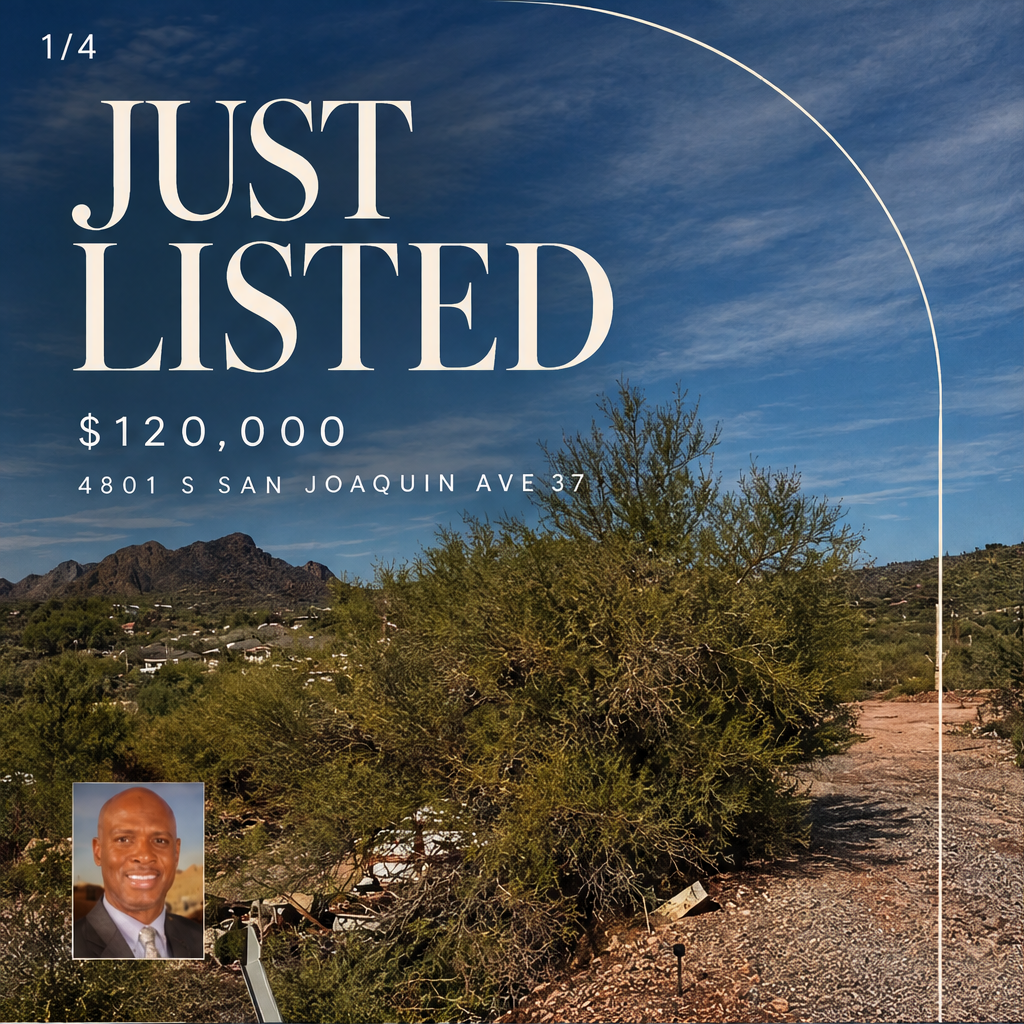
Tucson – Most Affordable Homes of August 2026
Tucson — Most Affordable homes for August 2026.
Listings (sorted by price):
1. Listing MSA22527719 — $100,000
2. Listing MSA22413820 — $105,000
3. Listing MSA22611773 — $105,000
4. Listing MSA22613153 — $108,000
5. Listing MSA22605275 — $110,000
6. Listing MSA22606483 — $114,000
7. Listing MSA22423689 — $115,000
8. Listing MSA22506808 — $118,900
9. Listing MSA22511075 — $119,900
10. Listing MSA22607714 — $119,900
11. Listing MSA22609873 — $124,900
12. Listing MSA22610273 — $125,000
13. Listing MSA22611969 — $125,700
14. Listing MSA22611193 — $129,000
15. Listing MSA22611497 — $129,900 -
Oro Valley Offers Tucson Access Beyond City Center
Oro Valley suits residents wanting Tucson’s healthcare and jobs nearby, without living downtown, while staying directly north of the city beside the Santa Catalina Mountains.
A state park immediately east of town connects hikers to trails into the Santa Catalina Mountains, giving regular outdoor users access instead of weekend-only trips.
Safety also stood out: a rankings group placed Oro Valley third among qualifying Arizona cities in 2026, with <1 violent crime per 1K residents.
Healthcare and bioscience jobs gave residents options closer to home, with a major diagnostics operation in Oro Valley and a local hospital providing emergency care.
For Tucson-area movers weighing trade-offs, Oro Valley paired exceptionally low violent crime with immediate Santa Catalina Mountain access and nearby healthcare and employment. -
Tucson Makes Its Value Case
Tucson offered major-city services with a current median listing price of ~$362K, placing it >$100K below Arizona's statewide median and making value a key draw.
Outdoor options spread across Tucson, with Saguaro National Park on both sides of the city and Sabino Canyon northeast of central neighborhoods.
Despite lower housing costs, Tucson residents still have access to the state university, major research and athletics, and Southern Arizona's only Level I Trauma Center.
Transportation adds flexibility: the local bus network and streetcar link the university area, Fourth Avenue, downtown, and Mercado District, making car-free living realistic centrally.
Neighborhood choice in Tucson comes down to balancing proximity to work and schools with the trails and recreation areas residents expect to use most. -
New listings hit a four-year high
We’re seeing a notable shift in the US housing market: new listings have climbed 8%—the highest level since August 2022. This uptick is pushing active inventory closer to a balanced state, even as pending sales reach a recent low. Mortgage rates remain at 6.66%, which continues to challenge affordability, and we’re also seeing a 2.2% bump in median prices. In over three decades guiding clients through real estate cycles, I’ve found these market moments often open the door for buyers and investors who know where to look. Navigating affordability and finding the right opportunities takes experience and local insight—especially when the market is moving. If you’re weighing your next move or seeking value in today’s changing landscape, now is a good time to assess your options.
Continue to full article -
Cities Where You Can Still Buy a House for Under $350,000
With the median U.S. home price now at $420,401, it can feel challenging to find real value—but there are still cities where homeownership remains within reach. Places like Pittsburgh, Indianapolis, Tulsa, Jacksonville, Green Bay, Savannah, Omaha, Des Moines, and right here in Tucson all offer options under $350,000. Each of these markets brings its own unique blend of culture and lifestyle, making them attractive for a wide range of buyers. Drawing from decades of experience managing portfolios and guiding clients through hundreds of transactions in Tucson, I know firsthand that opportunities for smart investment and affordable homeownership are still out there. Finding the right fit is about understanding each market’s nuances and recognizing where long-term value truly lives.
Continue to full article -
Best Places To Live In Arizona In 2026
Having spent decades exploring Arizona’s real estate landscape, I’m often asked where the best places to live will be in the next few years. Arizona truly offers something for everyone—whether you’re seeking luxury communities, safe and affordable neighborhoods, or family-friendly areas with reliable employers. From the cooler highland towns to vibrant cities balancing work and lifestyle, our state continues to evolve. In my experience managing large housing portfolios and working with buyers, sellers, and investors across Arizona, I’ve seen how the right location can make all the difference for long-term value and quality of life. As we look to 2026, it’s clear that Arizona’s diverse towns and cities will remain a top destination for those seeking opportunity, comfort, and community.
Continue to full article -
Three U.S. Housing Signals for September
September brought a shift in the U.S. housing landscape: pending home sales turned slightly negative year-over-year, ending an eight-month run of gains as higher borrowing costs cooled buyer momentum. Contract signings softened, homes spent about 60 days on the market, and mortgage rates edged up from roughly 6% in late Q1 to the high-6% range now. Buyers found a bit more leverage—median list price eased to $424,500, with price cuts on nearly 20% of listings, and delistings fell compared to last year. Active inventory also ticked up about 4%. Still, national inventory remains about 11% below pre-pandemic norms, signaling that the underlying housing shortage hasn’t gone away, even as some buyers hesitate. Industry experts are closely watching seller delistings, pricing strategies, and the narrowing of regional gaps as both buyers and sellers adapt to these firmer borrowing costs. After three decades navigating fluctuating markets and guiding clients through both tight and balanced conditions, I know how these signals shape real opportunities for buyers, sellers, and investors alike—especially in markets like Tucson, where practical strategy and strong negotiation can make all the difference.
-
U.S. Housing Affordability Hits a Breaking Point
Housing affordability in the U.S. is facing its toughest stretch yet, and as someone who’s spent decades navigating the realities of both homeownership and investment, I see the impact firsthand. Early 2026 brought a slow market: existing home sales stayed muted, new-home sales kept their footing, and more renters chose to stay put. Yet for many hopeful buyers, the real hurdle is cost—median prices for both new and existing homes now sit above $400,000, with mortgage rates holding above 6%. That combination has kept monthly ownership costs at historic highs.
To put it in perspective: since 2020, existing-home prices have climbed to nearly five times the median income. By late Q4 2025, a typical mortgage payment on a median-priced home hovered around $3,100, which calls for an income north of $120,000. Affordable rentals are vanishing too—units renting for under $1,000 dropped by 7 million. Now, 11 million of the lowest-income renters are all vying for just 3.8 million affordable units nationwide.
There’s work underway at every level—state, local, and federal—aimed at supporting new housing production, trimming red tape, and expanding financing tools. But as someone who has managed large housing portfolios and worked with affordable housing programs, I know there’s still a long road ahead to real access and affordability. Understanding these trends is essential for anyone looking to make the right move, whether you’re buying, investing, or finding your next home.